
Navigating Music Licensing for Events: Insights from Sarah Eaton of OneMusic Australia
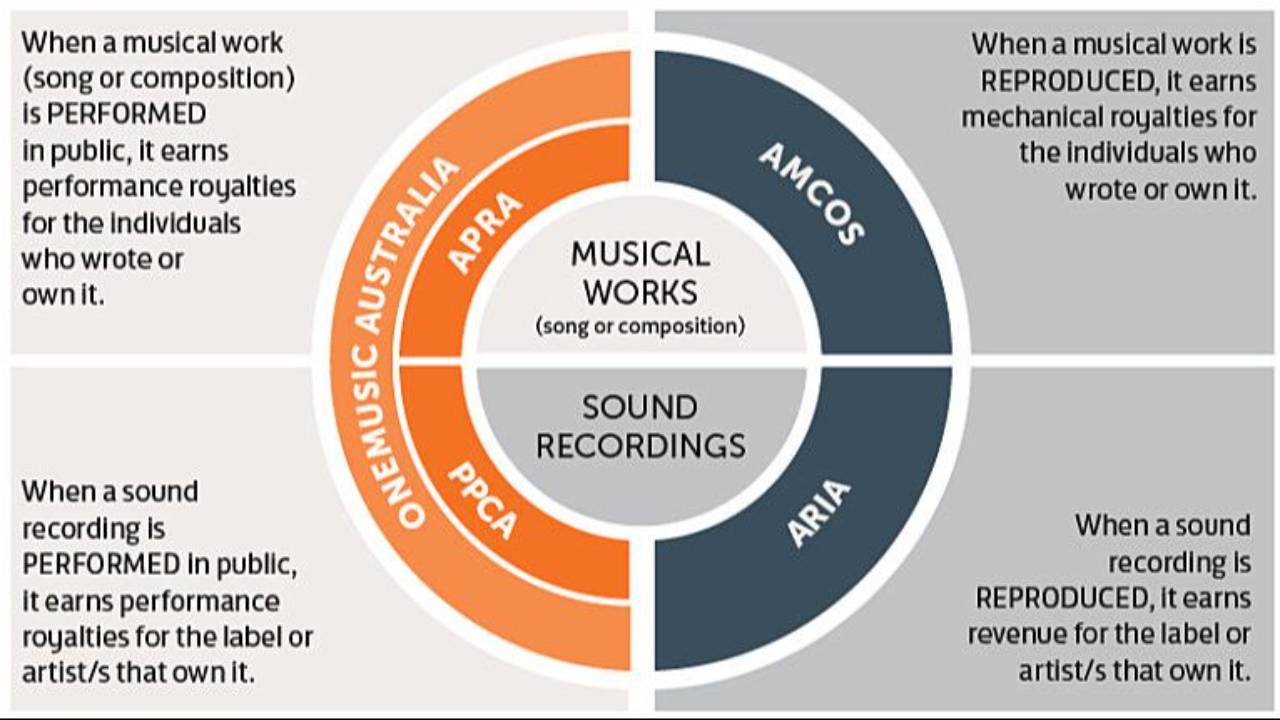
I recently had the opportunity to sit down and chat with OneMusic Australia to understand the copyright rule and regulations around music at events. I've always been curious as to how artists get paid for us using their music and Sarah was the perfect person to help me understand this.
You can listen to the podcast episode here, and their website has tonnes of great resources. This is in an Australian context, but we chat about how it works around the rest of the world. I hope you enjoy.
In the world of event planning, there's a crucial aspect that often goes unnoticed until it's too late, music licensing. As event organisers, we frequently use music to enhance the ambiance of our events, from ambient tunes at awards galas to dance tracks at networking gatherings. But what many don’t realise is that there are legal requirements for playing music to a public audience. In a recent podcast episode, we sat down with Sarah Eaton, the manager of major events and sport at OneMusic Australia, to delve into the ins and outs of music licensing.
Understanding Music Licensing
OneMusic exists to represent music creators by providing licenses for Australian businesses to utilise music in their establishments and events. These licenses ensure that the creators are rightfully compensated for their work. Without a license, playing music at events could lead to copyright infringement.
The Role of Music Licensing
According to Sarah, OneMusic licenses cover a vast array of music worldwide, making the process straightforward for businesses to ensure compliance. They cater to various types of events, whether it’s a major sports game or a dinner gala. By securing a license, you not only adhere to legal norms, but you also support the music industry by compensating artists for their creative contributions.
Why is Licensing Important?
Licenses are crucial not just for legality, but for acknowledging that music is a commercial element, essential for setting the tone or atmosphere of an event. We discuss that many people may undervalue music due to free streaming services, but there is a significant impact on the artists who rely on licensing fees for their livelihood.
Calculating the Cost of a License
One of the most common concerns (and misconceptions) is the cost of securing a music license. Sarah clarifies that fees vary based on the type of music usage and the scale of the event. For a general entertainment event, the charges could be minimal, calculated on a per-attendee basis, with small fees applying. This flexibility ensures that smaller events aren’t paying the same hefty fees as large-scale commercial concerts.
Can Event Organisers Obtain Annual Licenses?
While annual licenses are available for venues, OneMusic licenses events on a per-event basis. However, they do offer to simplify the process for recurring activations by licensing them together, while still calculating fees individually.
Compliance and Support
OneMusic conducts compliance checks and educates users on the importance of music licensing, thus preventing legal infringements. They offer support through their website, where users can find detailed guides and apply for licenses effortlessly.
Supporting Creators
The ultimate goal of music licensing is to ensure that artists are compensated fairly. By adhering to licensing requirements, event organisers contribute to a sustainable music industry where creators can continue to innovate and entertain.
Sarah encourages event planners not to fear music licensing. With accessible pricing and support, it doesn’t have to be a perplexing ordeal. And most importantly, it ensures that the music you love can continue to be created and appreciated.
For more information, or if you’re unsure if your event requires a license, explore the OneMusic Australia website at [OneMusic.com.au](http://onemusic.com.au). Securing a license is a straightforward step towards supporting the talented individuals who enrich our events with their music.
By acknowledging the importance of music licensing, you safeguard your event from legal repercussions and contribute positively to the music industry. Don’t find yourself caught off guard—do your due diligence, secure a license, and support the music creators who enhance your events.
Hey!


